Rodent and Wildlife Removal for Your Home
Request an estimate from a local provider
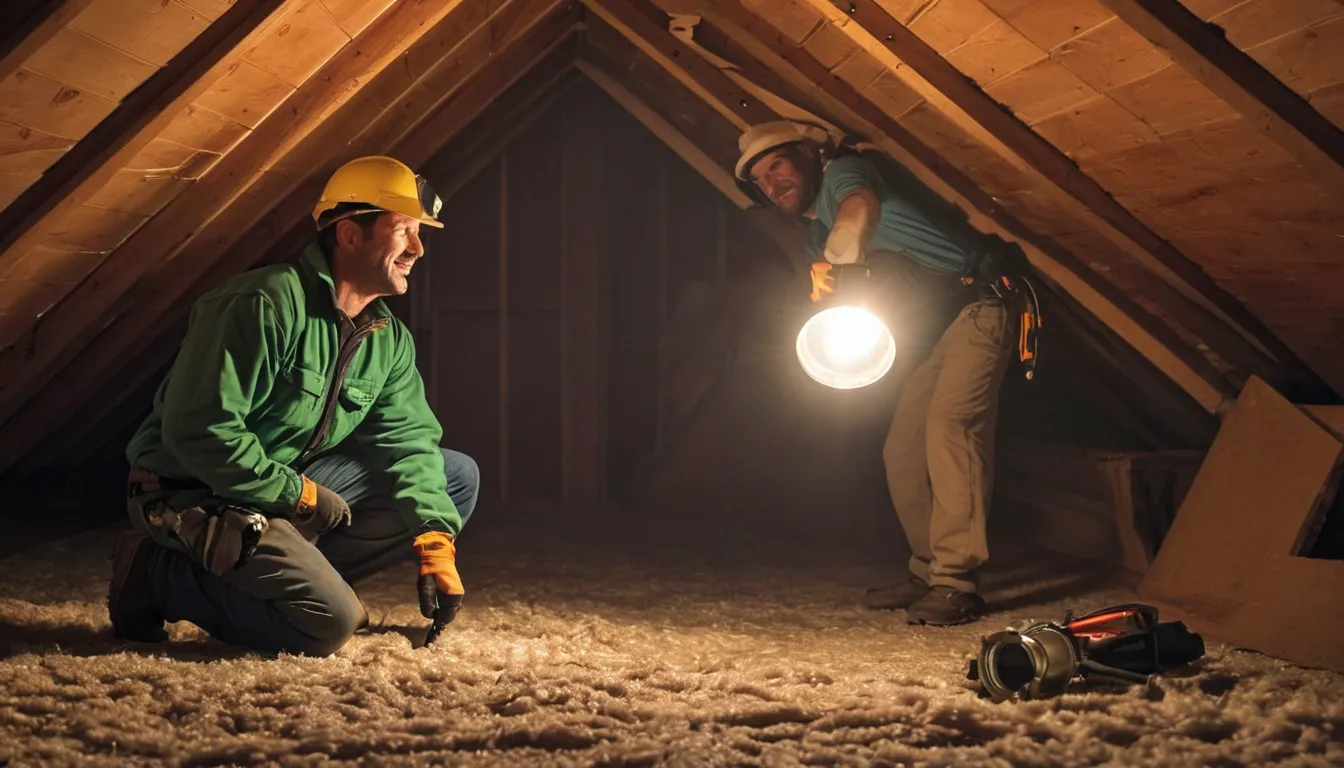
Noises in the attic, droppings in a cupboard, or a chewed wire are signs that an animal has moved in. Rodents and wildlife can damage insulation, wiring and stored items. They can also carry germs. Many homeowners search for an exterminator near me and pick the first name they see. That is how costly mistakes happen.
Salaryaccompanied Pest Control is a referral service. We do not do the work. We connect homeowners in the Logan area with independent providers in our network who handle rodent control and wildlife removal. This page shows what to do, what to skip, and which questions to ask before anyone climbs onto your roof or sets a trap.
Animals in the Attic or Walls? Start Here
Scratching at night. A musty smell. Droppings near the pantry. These are clues, and they deserve a careful response.
Do keep kids and pets away from the area. Do not poke around bare-handed. Do write down what you hear and when. A local provider can use those notes to plan the visit. Request a callback to check provider availability.
Why Rodents and Wildlife Need Fast Action
Mice and rats breed quickly. A small problem in fall can be a crowded one by winter. Chewed wires are also a fire risk, and droppings can spread germs through the air ducts and insulation.
Larger animals bring other risks. A raccoon can tear up an attic. A nesting animal with babies needs a careful plan, not a rushed one. Acting early keeps repair bills smaller.
Signs to Watch For
Look for clues in more than one place. One sign may be a fluke. Two or three usually mean a real visitor.
- Scratching, thumping or squeaking in the ceiling or walls
- Droppings along baseboards, in drawers or in the attic
- Chewed boxes, wires or food packages
- Greasy rub marks along walls
- Torn insulation or nesting material
- A sharp, musty or urine-like smell
- Pet behavior, like staring or sniffing at one wall
Do This, Skip That
Do seal food in hard containers. Do take notes and photos. Do wear gloves and a mask if you must clean near droppings.
Skip sweeping dry droppings, because dust carries germs. Skip loose poison, which can harm pets and children. Skip blocking a hole before you know if animals are still inside. Trapped young can die in the walls and cause a bigger mess.
Common Animals Providers Handle
Providers in our network commonly work with house mice, roof rats, Norway rats, squirrels, raccoons, bats, skunks and birds. Each animal needs a different method. A trap that works on a mouse is wrong for a raccoon.
Some animals have legal limits on how and when they can be removed. A good provider knows which rules apply to your case.
How the Work Usually Goes
A visit often begins with an inspection of the attic, crawl space, basement and roofline. The provider looks for entry points, nests and damage. Then they explain the plan, the price and the follow-up.
Next come removal steps, such as traps or one-way exits. After that, the provider closes the gaps. Cleanup and repair may be part of the job or a separate one. Ask which.
Humane Handling and Local Rules
Many areas have rules about trapping, relocating and handling wildlife. Some animals are protected during nesting season. Moving an animal to a new spot may be illegal or may harm it.
Ask the provider how they handle live animals and what local rules they follow. A solid answer names the method and the reason. A vague answer is a warning sign.
Questions to Ask Before You Hire
Ask before you hire. These questions help you compare providers fairly:
- Do you inspect before quoting?
- Which methods will you use, and why?
- How do you deal with babies in a nest?
- Do you seal the entry points, or only trap?
- What does the written quote include?
- Is follow-up part of the price?
A good answer is specific and calm. It explains the steps in plain words.
Red Flags to Walk Away From
Be careful if a provider quotes a price without seeing the home. Be careful if they push a large job on the spot. Walk away from anyone who will not put the plan in writing.
Other warning signs include no mention of sealing holes, a plan that relies only on poison, or pressure to sign right now. Real help leaves you time to think.
Planning Around a Busy Household
Most work happens in the attic, roof or crawl space, so daily life can often go on. Still, plan around your week. Tell the provider about school runs, pets and work-from-home hours.
Ask how long each visit may take and how many visits to expect. Many providers can respond quickly, but availability varies. Request a callback to check what works with your schedule.
Local Weather and Your Home
Dry air, hot sun, hail and heavy snow all wear down roofs and siding over time. Fast spring melt can also push animals toward warm spaces. Newer frame homes, stucco corners and basement walls can all have small gaps.
Cold months often drive mice and rats indoors. Spring is when many wildlife species look for nesting spots. A seasonal check can spot trouble early.
Keeping Animals Out for Good
Removal is only half the job. Without sealing, new animals often follow the same path.
- Close gaps around pipes, vents and rooflines
- Cover chimneys and attic vents with sturdy screens
- Trim branches that touch the roof
- Store pet food and bird seed in hard bins
- Keep trash lids tight
- Fix damaged siding, stucco cracks and window wells
Cleanup and Insurance Notes
Droppings, nests and soiled insulation may need careful cleanup. Ask whether the provider offers it or can suggest someone who does.
Some policies may cover sudden damage, so check your policy. Providers can often help document damage for a claim. Do not assume coverage before you read the terms.
Get a Written Estimate
Compare at least two written quotes when you can. Look at what each one covers, not just the total. Our network can point you to local providers who work with homeowners every week.
Next Steps
Write down the signs. Keep the area clear. Then ask a provider the questions above. Taking a few careful steps now can save you from repeat visits and bigger repair bills later.
What's Included
Careful Inspection
A provider checks the attic, crawl space and roofline to find where animals get in and where they nest.
Humane Removal
Methods that fit the animal and follow local rules, including care around nests with young.
Sealing Entry Points
Gaps, vents and rooflines get closed so new animals cannot use the same path.
Cleanup Options
Many providers can clean droppings and nests or point you to a trusted cleanup service.
Typical Rodent and Wildlife Removal Costs
Prices depend on the animal, the size of the home, how hard the entry points are to reach, and how many visits are needed. These are typical U.S. ranges. Always get a written quote.
| Service | Typical range | Notes |
|---|---|---|
| Inspection visit | $100 – $300 | Some providers apply it to the job price |
| Mouse removal and trapping | $200 – $600 | Often needs several visits |
| Rat removal and sealing | $300 – $1,000 | Depends on how many entry points |
| Squirrel or raccoon removal | $300 – $1,000 | Higher if young are present |
| Bat exclusion | $500 – $3,000 | Timing rules may apply |
| Exclusion and repair work | $300 – $2,500 | Varies by roof access and materials |
How It Works
Note the Signs
Write down noises, droppings, smells and where you noticed them. Keep kids and pets away from the spot.
Request an Estimate
Tell us about the problem and we connect you with a provider in our network.
Review the Written Plan
Check the method, the sealing work, the follow-up visits and the total price.
Follow Up and Prevent Return
Confirm the entry points are closed, then keep food, trash and branches in check.
Why Call Salaryaccompanied Pest Control
Ask Before You Hire
Clear questions help you compare providers and spot weak answers early.
Safety First
Plain do and do-not advice keeps your family and pets away from avoidable risks.
Local Providers
Independent providers in our network know the housing styles and weather where you live.
Low Disruption
Plan the visits around your week so work fits your family routine.
Other Services
Need rodent & wildlife removal services in Logan?
Tell us what you are seeing and where. We will point you to a local provider in our network. Request an estimate or ask about availability.
No obligationRodent & Wildlife Removal Services FAQ
How do I know if I have mice or rats in my walls?
Listen for scratching at night and look for droppings, chew marks and greasy rub trails. Rats leave larger droppings than mice. A provider can inspect the home and confirm which animal it is.
Is it safe to seal a hole if I think an animal is inside?
Do not seal it yet. Animals may be trapped, and young ones can die in the wall. A provider can check for babies and use a one-way exit, then close the hole once it is safe.
How do I find a trustworthy exterminator near me for wildlife removal?
Ask if they inspect first, which methods they use, and whether sealing is included. Get the plan and price in writing. Walk away from anyone who relies only on poison or pressures you to sign quickly.
We service you here
Logan Trenton North Logan Smithfield Cove Lewiston Deweyville Elwood
Reach a local provider
Tell us what you are seeing and where. We will point you to a local provider in our network. Request an estimate or ask about availability.
No obligation